

High-speed Layer 1 blockchain with subnets for scalability.

C-Chain and P-Chain both covered
Bitwave brings in Avalanche C-Chain addresses with their tokens and NFTs identified, and separately brings in P-Chain addresses, so staking activity is on the books rather than left off them.

Staking with lock periods visible
P-Chain transactions arrive in Bitwave tagged with their lock period and stake type, and Bitwave adds related P-Chain addresses as wallets during the first pull, so locked and liquid stake stay distinguishable.

Avalanche DeFi positions recognized
Positions in Avalanche DeFi protocols such as Aave, Curve, LFJ, and Pangolin are identified from your C-Chain wallet, so pool and lending positions are categorized as positions instead of trades.
How it works
Bitwave tracks Avalanche addresses on two chains. C-Chain addresses are brought in with tokens, NFTs, contract interactions, and network fees. P-Chain addresses are brought in with staking detail, and related P-Chain addresses discovered along the way are added as wallets.
Tokens are identified and spam is filtered, your team categorizes in Bitwave, and the results flow into balance, gain and loss, and journal entry reporting.
The workflow:
- Import your C-Chain addresses and, if you stake, your P-Chain addresses into Bitwave.
- Bitwave brings in transfers, tokens, contract activity, and fees on C-Chain, and staking transactions with lock detail on P-Chain.
- Categorize the activity, using rules for staking and position categorization for DeFi.
- Review balances and carry the results into your reports and general ledger.
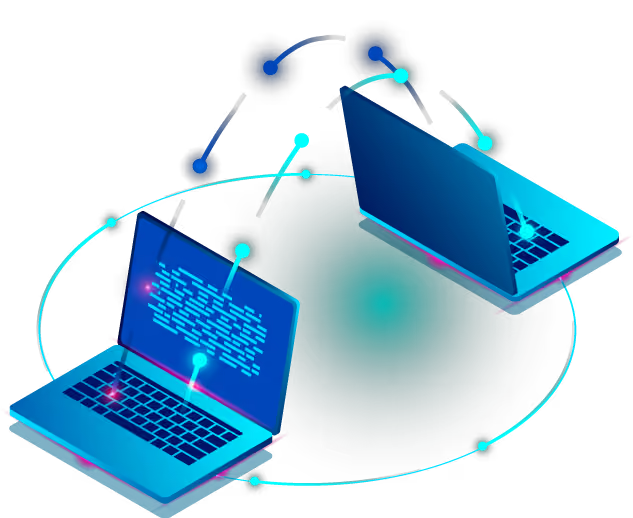
Avalanche activity is split across two chains: everyday transfers and DeFi on the C-Chain, and validator or delegator staking on the P-Chain. Booking one without the other leaves balances that do not tie. Bitwave brings in both, with the lock-period detail needed to tell locked stake from liquid holdings.
For the finance team, C-Chain tokens and DeFi positions are categorized with protocol context, staking movements are recorded with their lock periods, and balances reconcile against the chain, so Avalanche holdings are reported accurately whether they sit in a wallet, a pool, or a validator.
Complete. Transparent. Secure.
ERPs
Sync data in real-time and eliminate manual errors. Bitwave seamlessly integrates with your existing back-office software for easier reporting.


Blockchains
Bitwave supports tokens on the Bitcoin, Ethereum (All ERC-20 tokens + Layer 2), Solana, NEAR, and more. We are constantly adding support for new Blockchains.


Custodial Wallets
Bitwave currently supports Fireblocks, NYDIG, BitGo, and Anchorage custodial wallets. We are constantly adding support for new Custodial Wallets.


DeFi Protocols
This is just a sample of the DeFi protocols we support. Click below for the full offering of DeFi integrations currently in place, with more being added each day.


Exchanges
This is just a sample of the key Exchanges we support. Click below for the larger offering of Exchanges supported, with more being constantly added.


Multi-Signature Wallets
Bitwave supports a variety of multi-signature wallets, such as Gnosis Safe, Zebec, and Electrum. We are constantly adding support for new Multi-Signature Wallets.


