

Enterprise-focused blockchain network for financial services interoperability.

Three ways to connect a participant node
Bitwave can read your Canton party's activity by connecting to your node over a private network link, by running a small Bitwave component inside your firewall, or by having your node replicate to a Bitwave-hosted Canton node.

Privacy model respected
Under each method Bitwave receives the transactions where your party is a stakeholder or signatory, consistent with Canton's data segregation, and Bitwave does not hold keys or move assets.

Ledger events with accounting context
Canton transactions arrive tagged with reward type, fee type, and transaction type, so categorization rules can key on them and balances are tracked for Canton Coin and tokens.
How it works
Canton keeps a party's transaction data on its own participant node rather than on a public ledger, so Bitwave needs read access to that node. Bitwave offers three integration options: connecting to your node over a private network link or allowed addresses, a Bitwave component you run inside your own firewall that sends processed events out, or replicating your party's transactions to a Bitwave-hosted Canton node.
Once ingestion is running, Canton activity appears in Bitwave with accounting context and is categorized, reconciled, and reported like other networks.
The workflow:
- Choose an integration option with your Bitwave implementation manager and set up the network access, component, or node replication it requires.
- Bitwave brings in your party's Canton transactions and balances.
- Categorize the activity, using rules keyed on reward, fee, and transaction types.
- Review balances and carry the results into your reports and general ledger.
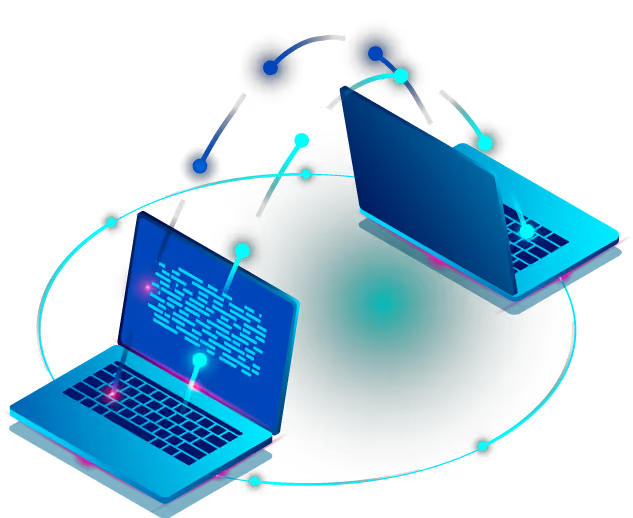
Canton is built for institutions that cannot expose transaction data publicly, which means the usual public-ledger approach does not apply. Bitwave meets that constraint with three documented integration options that fit different security postures, from a managed connection to a component you can inspect and run yourself to node replication.
For the finance team, Canton activity arrives in the subledger with reward, fee, and transaction type context that drives categorization, balances for Canton Coin and tokens are tracked, and the results carry into tax and financial reporting, so private ledger activity is accounted for with the same rigor as public chain holdings.
Complete. Transparent. Secure.
ERPs
Sync data in real-time and eliminate manual errors. Bitwave seamlessly integrates with your existing back-office software for easier reporting.


Blockchains
Bitwave supports tokens on the Bitcoin, Ethereum (All ERC-20 tokens + Layer 2), Solana, NEAR, and more. We are constantly adding support for new Blockchains.


Custodial Wallets
Bitwave currently supports Fireblocks, NYDIG, BitGo, and Anchorage custodial wallets. We are constantly adding support for new Custodial Wallets.


DeFi Protocols
This is just a sample of the DeFi protocols we support. Click below for the full offering of DeFi integrations currently in place, with more being added each day.


Exchanges
This is just a sample of the key Exchanges we support. Click below for the larger offering of Exchanges supported, with more being constantly added.


Multi-Signature Wallets
Bitwave supports a variety of multi-signature wallets, such as Gnosis Safe, Zebec, and Electrum. We are constantly adding support for new Multi-Signature Wallets.


